Loading...
Serving Cuyahoga Falls, OH and surrounding areas. (234) 432-0129
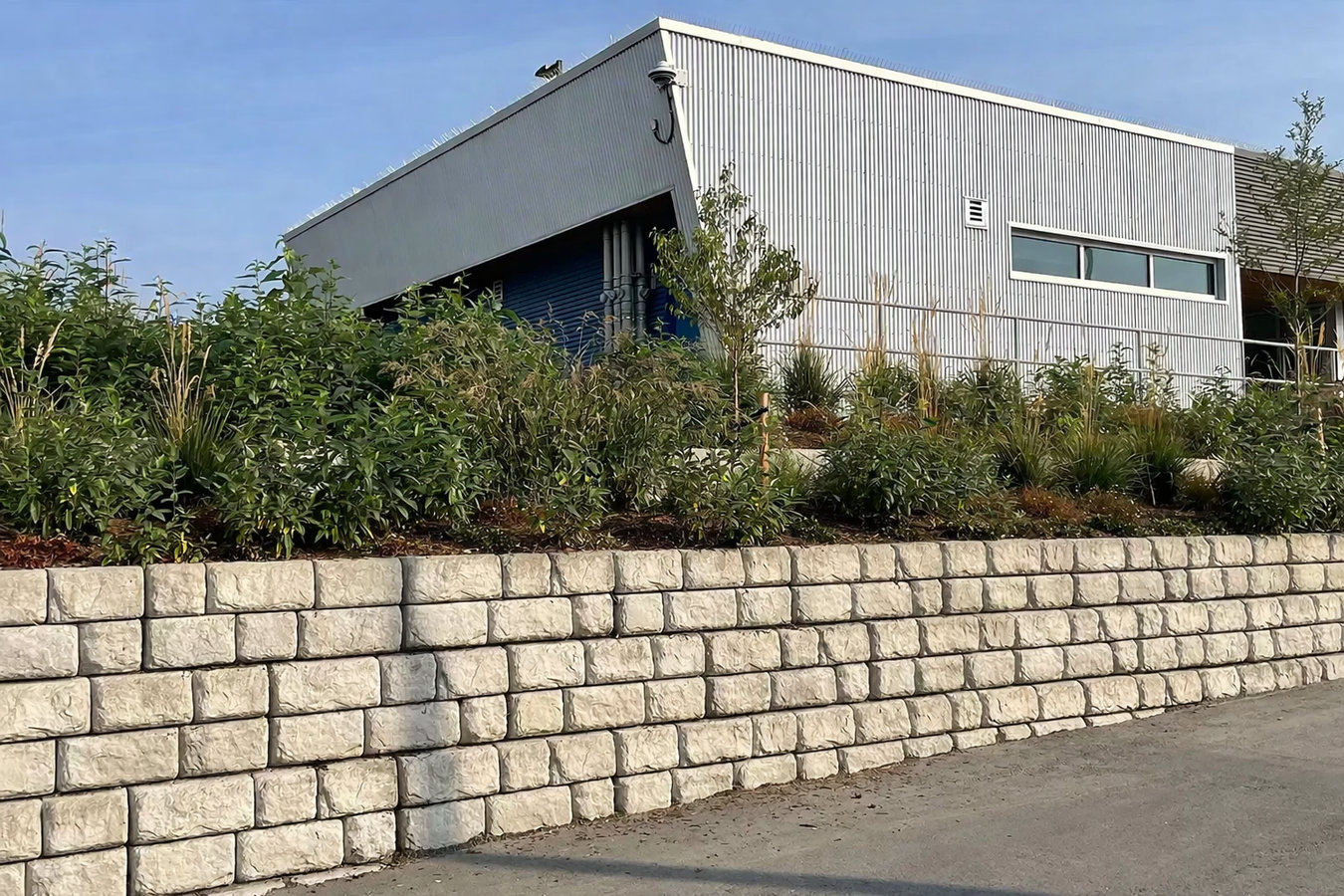
Sloped yards and clay soil wear out old walls fast. We build poured concrete retaining walls that handle northeast Ohio winters and keep your yard where it belongs.
Concrete retaining walls in Cuyahoga Falls hold back soil on sloped lots, prevent erosion, and redirect water away from foundations - most residential projects take two to five days to build and are designed to last 50 years or more in northeast Ohio conditions.
If you have a sloped yard in Cuyahoga Falls, a concrete retaining wall is often the only permanent fix. Mulch washes away, ground covers thin out, and timber walls rot - concrete holds. Many homeowners start thinking about a wall after a wet spring exposes just how much soil is moving. If you are also considering related work, concrete floor installation is a natural next step for basements dealing with moisture from the same drainage problems a wall can help address.
The terrain in Cuyahoga Falls drops toward the Cuyahoga River gorge, and clay-heavy Summit County soil holds water instead of draining it. That combination puts real pressure on any structure holding back a slope. A wall built without adequate drainage or a deep enough footing will lean and crack within a few winters here - which is why the details matter more than the price.
If soil or mulch washes off a slope after every storm, the ground needs something to hold it in place. Cuyahoga Falls gets significant rainfall, and saturated clay soil can move more than homeowners expect. A retaining wall stops that movement before it reaches your foundation or driveway.
A wall that tilts even slightly toward the downhill side is under stress it was not designed to handle. Horizontal cracks near the middle, or gaps opening at the base, signal the structure is losing the fight against soil pressure. In northeast Ohio, repeated freeze-thaw cycles accelerate this damage quickly.
If rainwater consistently collects against your home instead of draining away, a slope or grading problem is likely the cause. Left unaddressed, that pooling water can work into your basement - a common complaint in older Cuyahoga Falls neighborhoods. A retaining wall combined with good drainage redirects water away from your home.
Timber retaining walls have a limited lifespan - typically 20 to 30 years - and many mid-century homes in this area still have their original wood walls. If the wood is soft, crumbling, or bowing, it is no longer doing its job. Replacing it with concrete gives you a wall that will not rot, will not attract pests, and will not need replacing again in your lifetime.
We build poured concrete retaining walls for residential properties throughout Cuyahoga Falls and Summit County. Every wall includes proper footing depth, gravel backfill, and drainage pipe installation - the three things that determine whether a wall is still standing in 20 years. We handle the full project from permit application through final city inspection, so you do not have to manage any of that yourself. If you are planning outdoor improvements beyond just the wall, our concrete steps construction service pairs naturally with terraced wall projects, and many homeowners combine the two.
Whether you have a single slope that needs to be held back or a steep yard that calls for a series of terraced walls, we size the approach to what your property actually needs - not the biggest project we can sell you. We also do replacement work when existing timber or block walls have reached the end of their useful life, which is common in Cuyahoga Falls homes built between the 1940s and 1970s.
Best for homeowners whose yard slopes toward the house, a neighbor, or a public sidewalk.
Ideal for steep lots where a single tall wall is not practical - multiple shorter walls create flat, usable terraces.
Suited for situations where soil pressure is bearing directly against a foundation or crawl space wall.
Right for yards with chronic water pooling where grading alone has not solved the problem.
Cuyahoga Falls is built on terrain that drops toward the Cuyahoga River gorge, and many neighborhoods feature sloped lots where a retaining wall is a practical necessity rather than a cosmetic upgrade. The city sits in northeast Ohio, where temperatures drop below freezing and then climb back above it dozens of times each winter. Every freeze-thaw cycle stresses any concrete that was not mixed and installed correctly - a wall built to cut corners will show it within a few winters. The same wet springs that make Summit County clay soil move are also hard on foundations, which is why homeowners in areas like Akron, OH and Stow, OH face similar challenges and similar solutions.
A significant share of homes in Cuyahoga Falls were built between the 1940s and 1970s, and original walls from that era - railroad ties, dry-stacked stone, early concrete - are reaching the end of their useful life. If your home is from that period and still has its original wall, it is worth having it evaluated before a problem develops. The clay-heavy soil in Summit County does not drain the way sandier ground does, and that puts ongoing stress on wall footings and drainage systems. A contractor familiar with local soil conditions will account for this in the footing depth and drainage design - it is the difference between a wall that holds and one that leans.
For authoritative guidance on retaining wall design and drainage, the Federal Highway Administration publishes drainage and geotechnical guidance that informs best practices for residential retaining wall construction.
Reach out and we will reply within one business day to schedule a site visit. We look at your slope, any existing wall, and how water moves through the area - things that cannot be assessed from a photo.
For most retaining wall projects in Cuyahoga Falls, we apply for the building permit before breaking ground. You will not need to visit the building department - we handle that step and confirm a start date once the permit is approved.
The crew excavates the footing trench, sets forms, and pours the concrete. Behind the wall, we install gravel backfill and a drainage pipe to manage water pressure - the step that separates walls that last from walls that lean.
After curing, we backfill, the city inspector signs off, and we walk you through what to watch for in the first year. The whole process from permit approval to final inspection typically takes one to two weeks.
Free estimate - no obligation. We reply within one business day.
(234) 432-0129Every wall we build includes a gravel backfill layer and a drainage pipe behind the wall. This is not an add-on - it is the standard. Walls built without it fail faster in Summit County clay soil.
We dig every footing to the depth required for northeast Ohio's frost conditions. A footing that does not go deep enough will heave and shift every winter - ours stay put.
American Concrete Institute guidelinesWe pull the permit, coordinate the city inspection, and hand you the paperwork when the job is done. You have documentation that the work was built to code - which matters if you ever sell your home.
We work throughout Cuyahoga Falls and the surrounding Summit County area. Local experience with the terrain, soil, and permit process means fewer surprises on your project.
Every project we complete in Cuyahoga Falls is permitted, inspected, and built to handle the specific demands of Summit County soil and Ohio winters. When the job is done, you have a wall you can count on and paperwork that shows it was done right.
Replace a crumbling or moisture-damaged basement or garage slab with a level, properly sealed concrete floor.
Learn MoreAdd poured concrete steps that complement a terraced wall and hold up through decades of Ohio winters.
Learn MoreSpring is the busiest season for retaining wall work in Cuyahoga Falls - reach out now to hold your spot on the schedule.