Loading...
Serving Cuyahoga Falls, OH and surrounding areas. (234) 432-0129
Everything above your foundation depends on what is below it. We install new foundations in Cuyahoga Falls to proper frost-line depth, with full permits and city inspections on every project.
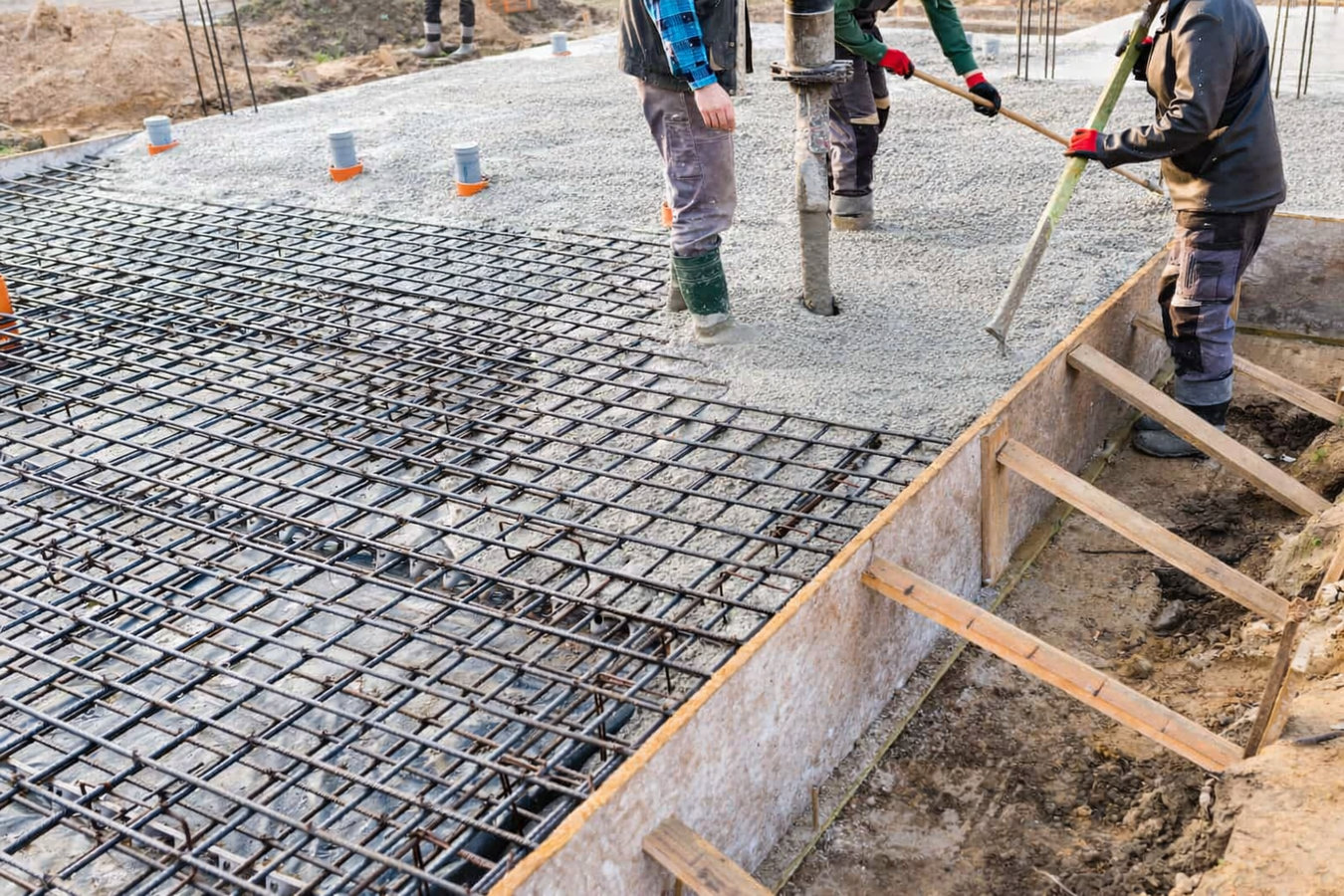
Foundation installation in Cuyahoga Falls means excavating below the local frost line - about 36 inches deep - then building forms, placing steel reinforcement, pouring concrete, and curing before framing can begin. A standard single-family home foundation typically takes one to three weeks of active work from excavation to a finished, cured structure, plus one to two weeks upfront for permit approval.
A large share of Cuyahoga Falls homes were built between the 1920s and 1960s, and many of those original foundations are reaching the end of their useful life. If you are replacing an existing foundation rather than building new, the project is more complex - it involves shoring the structure above while the old foundation is removed or repaired. That kind of work is common in this city's older neighborhoods, and it calls for a contractor who knows this housing stock and what to expect when the excavation begins. Homeowners planning related concrete work at the same time often find it useful to price foundation raising alongside a full installation quote.
Water is the single biggest long-term threat to any foundation in this area. Northeast Ohio precipitation and clay-heavy Summit County soil create steady moisture pressure on foundation walls year-round. A properly installed foundation includes drainage materials around the base so water moves away from the concrete rather than sitting against it - a step that makes the difference between a dry basement and one that leaks every spring.
If you have patched cracks in your basement walls or floor and they keep reappearing - especially after a hard winter - that is a sign the foundation itself is moving, not just settling. In Cuyahoga Falls, the freeze-thaw cycle puts repeated stress on older concrete, and cracks that return season after season usually mean the underlying structure needs professional attention, not another round of patching.
When a foundation shifts, the frame of the house shifts with it - and the first place you usually notice is in your doors and windows. If doors that used to swing freely now stick, or if you can see daylight around a window frame that used to seal tight, the house may be telling you something is moving below. This is especially common in Cuyahoga Falls homes built before 1960, where original foundations are aging and the soil underneath has had decades to shift.
Seeing water on your basement floor or walls after a heavy rain or a spring thaw is a sign your foundation's drainage is failing - or that the foundation has developed cracks letting water through. Northeast Ohio gets significant precipitation year-round, and a foundation that cannot keep water out will only get worse over time. Even small amounts of recurring moisture are worth having looked at before they become a much bigger problem.
If your floors slope noticeably in one direction, or feel soft or springy in spots, the structure below may not be providing solid support. This can happen when a crawl space foundation has deteriorated or when settling has been uneven. It is the kind of thing that is easy to dismiss as a quirk of an older home - but it is worth getting a professional opinion before the problem gets worse.
We install full basement foundations, crawl space foundations, and slab foundations for new construction and replacement projects throughout Cuyahoga Falls. Every project begins with a site visit - soil conditions, drainage, lot slope, and access for excavation equipment all affect how the foundation is designed and what it will cost. We handle the complete permit process with the City Building Department, coordinate required inspections, and give you documentation when the work is complete. If the project also involves concrete parking lot building or other large-scale concrete work on the same site, we can quote everything together.
For replacement projects on older homes, we coordinate shoring of the existing structure before any demolition begins - this is not optional, and it is the step that separates a safe replacement from a dangerous one. We also handle waterproofing treatment on the outside of the foundation walls and drainage materials before backfilling, because a foundation that sheds water properly from the start is one you will not be dealing with again for a long time.
The most common choice in Cuyahoga Falls, where frost-line depth already requires significant excavation - going deeper creates usable living or storage space.
Suited for sites where a full basement is not practical but a slab-on-grade is not preferred - provides access to utilities beneath the home.
Best for garages, additions, and accessory structures where no below-grade space is needed - simpler build, lower cost.
For homes with failing or deteriorated foundations in Cuyahoga Falls' older neighborhoods, where the existing structure must be replaced without losing the home above it.
Northeast Ohio's proximity to Lake Erie means the region gets significant lake-effect snow and extended cold stretches that can push into late March or even April. Concrete should not be poured in freezing temperatures without special precautions, which add cost and complexity - and in some cases make a job impractical until conditions improve. If you are planning foundation work, late spring through early fall is the most reliable window, and contractor schedules fill up fast once the weather turns. Homeowners across the area - from neighborhoods near Akron to quieter streets near Stow - all face the same seasonal timing pressure.
The soil in Summit County is largely glacially deposited - a mix of clay, silt, and sand left behind by the last ice age. Clay-heavy soil expands when wet and contracts when dry, which puts ongoing stress on foundation walls over time. In Cuyahoga Falls, where many homes have been standing for 60 to 80 years, this soil movement is one of the leading reasons older foundations crack and fail. A contractor who does the soil assessment before pricing the job - rather than after the excavation reveals a surprise - is one who will not hit you with unexpected costs when work is already underway.
Reach out and we will reply within one business day. We ask a few basic questions - what you are building or replacing, the approximate size, and whether you have had a soil assessment done - and schedule a site visit before giving you a firm number.
We pull the building permit from the City of Cuyahoga Falls Building Department and arrange for underground utilities to be marked before any digging starts. Plan for this phase to take about one to two weeks, depending on how busy the permit office is.
The crew excavates to the required frost-line depth - about 36 inches in this area - then builds forms and places steel reinforcing bars before the pour. This is the loudest and most disruptive phase: heavy equipment will be on your property, and some impact to your yard is expected.
Concrete is poured and the city inspector visits at key stages. Once the foundation has cured enough to proceed, the crew backfills the excavated soil, grades for drainage, removes equipment, and walks you through the finished work before leaving.
We reply within one business day. On-site assessment before any price is given. No pressure, no obligation.
(234) 432-0129Northeast Ohio ground freezes to about 36 inches in a hard winter. Every foundation we install in Cuyahoga Falls is dug to the proper frost-line depth - the step that prevents the freeze-thaw heaving that breaks foundations poured too shallow. American Concrete Institute on foundation construction.
We pull every required permit from the City of Cuyahoga Falls Building Department and coordinate each required inspection. You get the documentation when the job is done - a record that the work was done correctly and is on file with the city, which matters when you sell your home.
A large share of Cuyahoga Falls homes were built between the 1920s and 1960s, and we have replaced and repaired foundations on homes of that era throughout the city. We understand what the soil, the housing stock, and the original construction methods look like in this area - and we are not surprised by what we find when we start digging.
Before any digging starts, we coordinate underground utility marking through Ohio 811 - the free service that identifies gas, water, and electric lines before excavation begins. This is required by law and protects everyone on the job site. Ohio 811 - call before you dig.
Foundation installation is the most consequential concrete work on any property - everything else is only as stable as what is underneath it. Getting the frost depth, the drainage, and the permits right from the start is not a luxury; it is what separates a foundation that lasts generations from one that starts showing problems in the first decade.
For permit and inspection requirements in Cuyahoga Falls, see the City of Cuyahoga Falls Building Department. For Ohio frost depth and code requirements, see the Ohio Department of Commerce Building Codes.
Commercial and residential parking lot concrete for Cuyahoga Falls properties - properly graded, reinforced, and drained.
Learn MoreFoundation lifting and leveling for Cuyahoga Falls homes where settling has caused structural movement or drainage problems.
Learn MoreContractor schedules in Northeast Ohio fill up fast once the weather turns - reaching out now puts you ahead of the spring rush.